How Often Do You Need an EICR? A Guide for Colchester Homeowners and Landlords
Electrical safety is an important consideration for every property owner. Whether you own your home, rent out a property or manage commercial premises, regular electrical inspections can help identify potential hazards before they become serious problems.
One of the most common questions we hear is: How often do you need an EICR?
The answer depends on the type of property, how it is used and the condition of its electrical installation.
In this guide, KEVI Ltd explains what an Electrical Installation Condition Report (EICR) involves, recommended inspection intervals and what homeowners, landlords and businesses in Colchester and the surrounding Essex area need to know.
What Is an EICR?
An Electrical Installation Condition Report (EICR) is a formal assessment of the condition and safety of a property’s fixed electrical installation.
The inspection is carried out by a competent electrical inspector and is designed to identify deterioration, damage, defects and other conditions that could create electrical safety risks.
An EICR typically examines aspects of the installation including:
Consumer units and distribution boards
Electrical circuits and protective devices
Earthing and bonding arrangements
Wiring and electrical connections
Socket outlets, switches and other accessible electrical accessories
The effectiveness of electrical safety measures
The inspection involves visual checks and electrical testing, with the findings recorded in a report.
An EICR is not simply a visual inspection, nor is it a guarantee that every electrical component will remain fault-free.
For property owners in Colchester, regular electrical inspections provide valuable information about the condition of their installation and whether improvements or repairs are required.
How Often Should Homeowners Have an EICR?
For a typical owner-occupied home, electrical safety guidance commonly recommends an inspection at least every 10 years, although the appropriate interval depends on the condition, age and use of the installation.
An earlier inspection may be advisable if:
You are buying or selling a property
The electrical installation is particularly old
You have experienced repeated electrical faults
There are signs of damaged wiring or overheating
Significant electrical alterations have been carried out
A previous inspection recommended an earlier reassessment
An EICR can be particularly useful when purchasing an older property, as it may identify electrical defects or areas requiring further investigation.
If you are unsure when your home’s electrical installation was last inspected, arranging an assessment can help establish its current condition.
How Often Do Landlords Need an EICR?
For private rented properties in England, landlords are generally required to ensure that electrical installations are inspected and tested by a qualified and competent person at intervals of no more than five years, or sooner where the previous report specifies a shorter interval.
The applicable electrical safety regulations also require landlords to meet obligations concerning inspection reports, provision of copies and necessary remedial work.
For example, landlords must generally:
Arrange the required electrical inspection and testing
Obtain a report recording the results
Supply the report to existing tenants within the required timeframe
Provide the report to new tenants before they occupy the property
Complete necessary remedial or investigative work within the legally required period
Provide evidence of completed remedial work where required
Different requirements may apply depending on the type of accommodation and the applicable legislation.
For landlords managing rental properties in Colchester, Wivenhoe, Brightlingsea and surrounding areas, keeping electrical inspection records organised is an important part of property management.
Important: A five-year interval is a maximum for many private rented properties, not an automatic guarantee that an installation is safe for five years. An earlier inspection may be required where the report specifies one.
How Often Do Commercial Properties Need Electrical Testing?
Commercial electrical installations also require appropriate inspection and maintenance.
The recommended frequency of an EICR depends on factors including:
The type of premises
The nature of the business
The age and condition of the electrical installation
Environmental conditions
The level of electrical usage
Previous inspection findings
A commonly referenced interval for many commercial premises is five years, but this is not suitable for every installation. Certain workplaces and environments may require more frequent inspections.
Business owners and those responsible for premises should follow the recommendations of a competent electrical inspector and consider their wider legal duties concerning electrical safety.
For businesses in Colchester and Essex, planned electrical testing can help identify defects, support maintenance planning and reduce the risk of electrical incidents.
What Happens During an EICR Inspection?
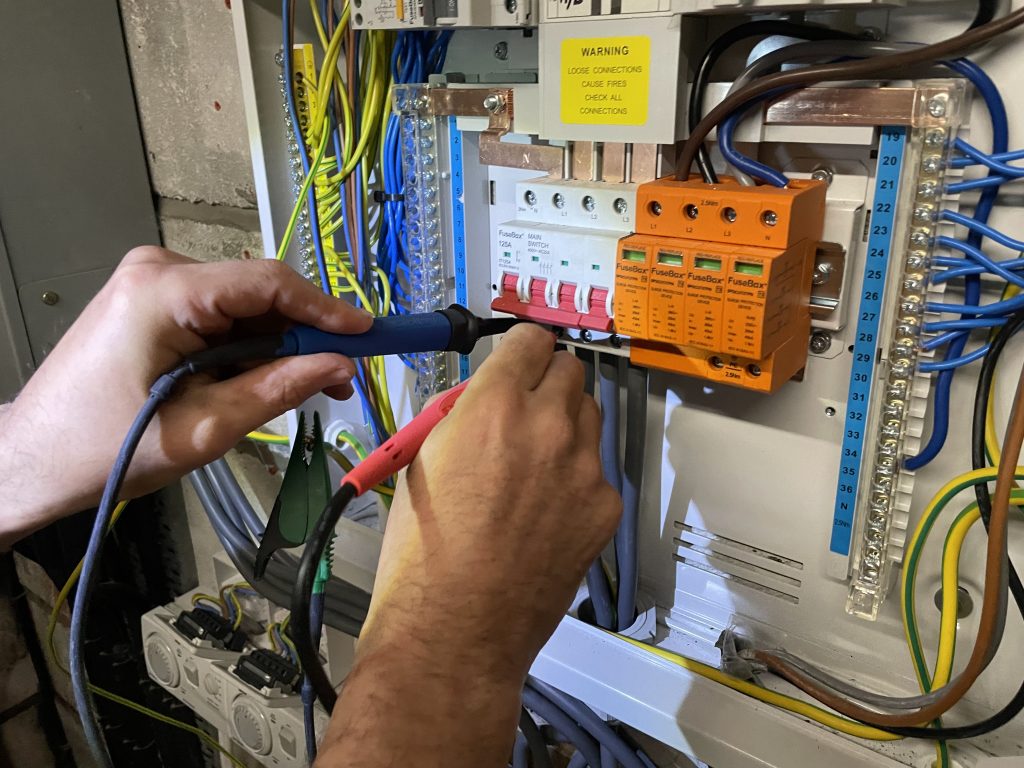
During an EICR, an electrical inspector assesses the fixed electrical installation and carries out appropriate testing.
The process generally includes:
1. Initial Assessment
The inspector reviews available information about the electrical installation, including its age, previous inspection records and any reported problems.
2. Visual Inspection
Accessible electrical components are examined for signs of damage, deterioration, incorrect installation or other potential safety concerns.
3. Electrical Testing
Appropriate tests are carried out to assess the condition of circuits, protective devices and electrical safety arrangements.
Some tests may require parts of the electrical installation to be temporarily isolated.
4. Inspection Report
The findings are recorded in an Electrical Installation Condition Report.
The report identifies any observed defects, provides relevant classification codes and states whether the installation is satisfactory or unsatisfactory for continued use.
5. Recommendations and Remedial Work
Where problems are identified, the report explains the observations and any required action.
An unsatisfactory report does not necessarily mean the entire electrical installation needs replacing. The necessary work depends on the specific defects identified.
What Do EICR Classification Codes Mean?
Understanding the codes in an EICR can help property owners determine the urgency of any recommended work.
C1 – Danger Present
There is an immediate risk of injury. Immediate action is required to make the situation safe.
C2 – Potentially Dangerous
A defect presents a potential danger and requires urgent remedial action.
C3 – Improvement Recommended
An improvement is recommended, but the observation does not, by itself, make the report unsatisfactory.
FI – Further Investigation Required
Further investigation is needed without delay to determine whether danger or potential danger exists.
A report containing C1, C2 or FI observations will normally be classified as unsatisfactory.
If your EICR identifies defects, a competent electrician can explain the findings and discuss the appropriate next steps.
How Much Does an EICR Cost in Colchester?
The cost of an EICR varies depending on the property and the electrical installation being inspected.
Factors affecting the price include:
Property size
Number of electrical circuits
Type and complexity of the installation
Accessibility of electrical equipment
Domestic or commercial use
Any particular testing requirements
A small domestic property will typically require a different amount of inspection and testing work from a large commercial building.
It is important to understand what is included in a quotation, rather than selecting an electrical inspection service based on price alone.
KEVI Ltd can discuss your requirements and provide information about electrical testing services for properties in Colchester and surrounding areas.
What Is the Difference Between an EICR and PAT Testing?
Although both involve electrical safety, EICR inspections and Portable Appliance Testing (PAT) serve different purposes.
An EICR assesses the condition of a property’s fixed electrical installation, including wiring, circuits and distribution equipment.
PAT testing concerns the inspection and, where appropriate, testing of electrical equipment and appliances.
The two activities are not interchangeable.
Depending on the property and its use, both fixed electrical installation inspections and electrical equipment maintenance may be relevant.
Electrical Testing and EICR Services in Colchester
Whether you are a homeowner arranging a periodic electrical inspection, a landlord meeting rental property requirements or a business reviewing electrical safety, understanding the condition of your electrical installation is essential.
KEVI Ltd provides electrical services in Colchester and surrounding areas, including Wivenhoe, Elmstead Market and Brightlingsea.
If you need an Electrical Installation Condition Report or would like advice about electrical testing requirements, our team can discuss the type of property, the work required and the next steps.
Looking for EICR testing in Colchester?
Visit our Electrical Testing & EICR Services page to learn more about the service and how to request a quotation.
Frequently Asked Questions About EICR Testing
Is an EICR a legal requirement for homeowners?
An EICR is not generally a legal requirement for someone living in their own home in England. However, periodic electrical inspections are recommended to help identify potential safety issues.
Different requirements apply to rented properties and certain other premises.
Is an EICR required every five years?
For many private rented properties in England, the maximum inspection interval is five years, unless an earlier inspection is required. Owner-occupied homes are commonly recommended for inspection at intervals of up to 10 years, depending on their condition and circumstances.
How long does an EICR take?
The time required depends on the property’s size, the number of circuits and the complexity and accessibility of the installation. Larger or more complex properties generally require longer inspections.
Can an EICR fail?
An EICR may be classified as unsatisfactory if defects are identified that require urgent remedial action or further investigation.
The report should explain the observations and their classifications.
Does an EICR include PAT testing?
No. An EICR primarily assesses the fixed electrical installation, while PAT testing concerns electrical equipment and appliances. They are separate activities.
Can I arrange an EICR before buying a house?
Yes. Arranging an electrical inspection before purchasing a property can help identify the condition of the installation and any potential electrical work that may be required.
Where can I arrange EICR testing in Colchester?
KEVI Ltd provides electrical testing and inspection services in Colchester and surrounding areas. Contact the team to discuss your property and request a quotation.
Need an Electrical Safety Inspection in Colchester?
If your property is due for an EICR or you have concerns about the condition of its electrical installation, contact KEVI Ltd to discuss your requirements.